

And that distinction matters enormously when you’re eyeing a tub of snail secretion filtrate for the first time. One is an immune response. The other is skin that’s been stripped, over-exfoliated, or under-moisturized into a state of chronic irritation. Snail mucin treats one beautifully and could theoretically aggravate the other — at least temporarily. So before you slather on that cult-favorite K-beauty product, let’s actually answer the question you came here with.
Snail mucin (snail secretion filtrate) is generally considered safe and well-tolerated for sensitive skin beginners. It’s a barrier-repairing, hydration-boosting ingredient with a remarkably low irritation profile — but like anything new, the way you introduce it matters just as much as the ingredient itself.
What Exactly Is Snail Mucin, Anyway?
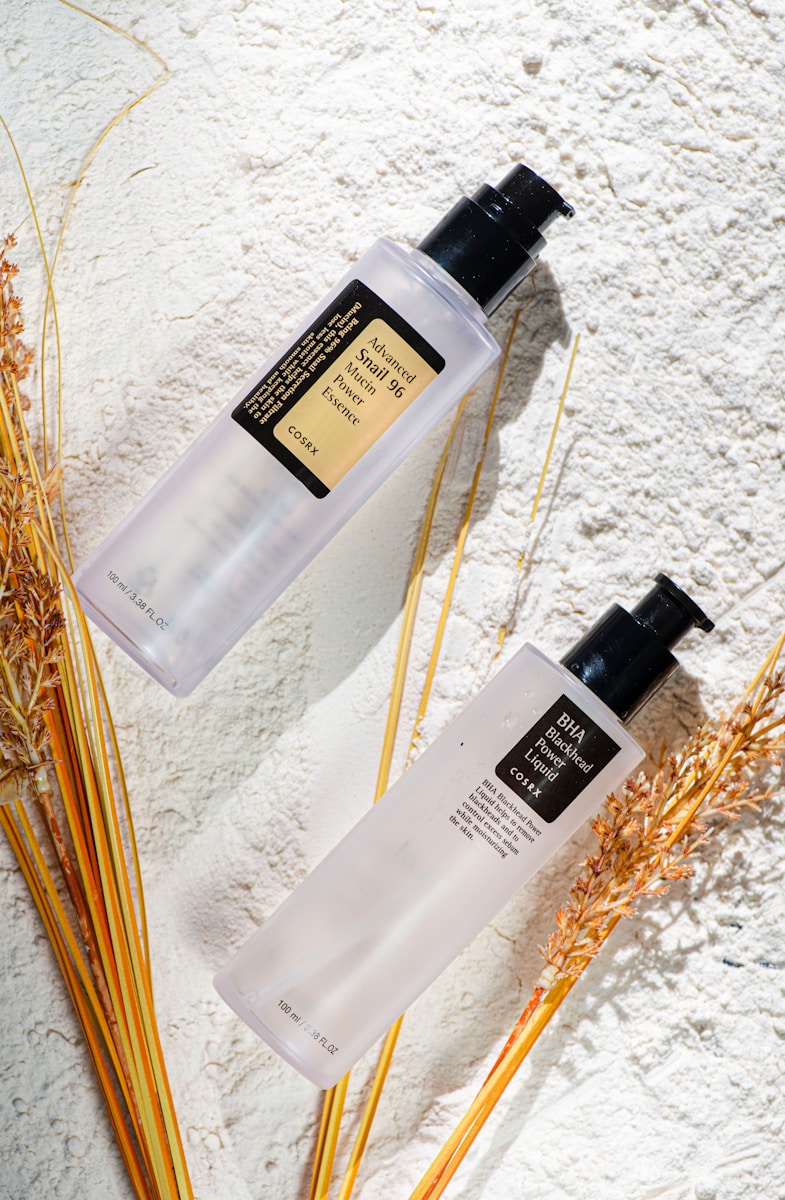
“Snail mucin” is the marketing-friendly name for snail secretion filtrate (SSF) — the glycoprotein-rich slime that garden snails produce to protect and repair their own bodies. Sounds a little unhinged, right? But the science behind it is genuinely interesting.
SSF is a complex cocktail of:
- Glycoproteins — which help with wound healing and skin repair
- Hyaluronic acid — a humectant that pulls moisture into the skin
- Glycolic acid (in trace amounts) — a mild AHA that aids in gentle cell turnover
- Allantoin — a soothing compound that helps calm inflammation and speed up skin regeneration
- Zinc and manganese — minerals with antioxidant and healing properties
That combination is genuinely unusual. Most ingredients do one or two things well. SSF is doing barrier repair, hydration, mild exfoliation, and soothing all at once. That’s why it’s particularly interesting for beginners — it’s a multi-tasker that doesn’t ask a lot of your skin in return.
Is Snail Mucin Safe for Sensitive Skin? The Direct Answer
Yes — for most people with sensitive skin, snail mucin is safe. Clinical studies and widespread consumer use over the last decade support a low irritation and low allergy rate for SSF. It’s non-comedogenic, it doesn’t contain common sensitizers like fragrance or essential oils (in its purified form), and it has a skin-identical feel that the barrier tends to accept readily.
That said, there are two caveats worth knowing:
- Latex cross-reactivity: If you have a confirmed latex allergy, flag this with a dermatologist before trying SSF. Some research suggests a potential cross-reactivity, though it’s not widely documented.
- Concentration matters: Products with very high SSF concentrations (think 96—100% filtrate) are potent. Starting with a lower-concentration formula — something in the 60—80% range — is smarter for beginners.
“Snail secretion filtrate is one of the few actives I feel comfortable recommending to clients who are new to K-beauty and nervous about irritation. The allantoin content alone makes it a gentle starter ingredient.”

Why Sensitive Skin Beginners Are Actually Great Candidates
Counterintuitive, but hear me out. Sensitive skin beginners are often the people who benefit most from snail mucin — precisely because it doesn’t behave like a typical active ingredient.
Retinol causes purging. Vitamin C can sting. Niacinamide, though gentle, occasionally causes flushing in higher concentrations. AHAs exfoliate and increase sun sensitivity. Snail mucin does none of those things in any alarming way. It’s fundamentally a repair and hydration ingredient that works with your barrier rather than against it.
A high-concentration SSF serum is often considered for periods when skin is genuinely compromised — over-exfoliated from trying too many acids at once, tight, flaky, slightly red. Within about two weeks of consistent use (morning and evening), the texture calmed down noticeably. No purging. No adjustment period. Just quieter, plumper skin. That’s not a dramatic transformation story — it’s just a boring, reliable result. And when your skin is reactive, boring and reliable is exactly what you want.
How to Introduce Snail Mucin Into a Sensitive Skin Routine
Step 1: Start With a Clean, Minimal Routine
If your current routine already has three actives in it, adding snail mucin into the mix makes it harder to know what’s helping or hurting. Strip back to a gentle cleanser, snail mucin, and a simple moisturizer for two weeks before adding anything else.
💡 Pro tip: Use a fragrance-free, sulfate-free gel or cream cleanser — something like a gentle amino acid cleanser — before applying SSF. Fragrance in your cleanser can undermine everything the snail mucin is trying to do for your barrier.
Step 2: Apply It in the Right Layer Position
Snail mucin serums and essences typically have a slightly viscous, watery-gel texture. They go on after cleansing and toning, before heavier moisturizers and oils. Think of it as the third step: cleanse → tone (optional) → snail mucin → seal with moisturizer.
Step 3: Patch Test First (Non-Negotiable)
Apply a small amount to the inside of your wrist or behind your ear. Wait 24—48 hours. No redness, no itching, no bumps? You’re good to apply to your face. This is basic, I know — but a surprising number of people skip this and then panic at the first sign of anything unusual.
⚠️ Watch out: Don’t pair a new snail mucin product with a new exfoliant in the same week. If irritation shows up, you’ll have no idea which product caused it. Introduce one new product at a time, always.
Step 4: Use It Consistently for At Least 4 Weeks
Snail mucin isn’t an overnight magic worker. Four to eight weeks of consistent use is where most people start seeing real improvement in texture, hydration, and skin tone evenness. Don’t quit at week two because you’re not glowing yet.

Snail Mucin Product Spotlight: What to Look For
Since product formulations change and availability varies, here’s what to look for on labels rather than just brand-chasing:
| Product Type | SSF Concentration | Best For | Key Supporting Ingredients |
|---|---|---|---|
| Lightweight essence | 60—80% | Beginners, layering under moisturizer | Niacinamide, hyaluronic acid, beta-glucan |
| Concentrated serum | 90—96% | Experienced users, targeting texture/scars | Centella asiatica, peptides, allantoin |
| Gel moisturizer | 40—60% | Oily-sensitive skin types | Ceramides, glycerin, panthenol |
| Sheet mask | Varies | Weekly boost, post-actives calm-down | Adenosine, aloe vera, beta-glucan |
Ingredients to Look For Alongside SSF
- Centella asiatica (Cica) — pairs beautifully with snail mucin for a double-soothing effect. Look for madecassoside or asiaticoside in the ingredient list.
- Beta-glucan — a deeply calming prebiotic-adjacent ingredient that supports the skin’s immune response. Ideal for reactive skin types.
- Panthenol (Vitamin B5) — draws moisture into the skin and supports the barrier without any irritation risk.
- Hyaluronic acid — boosts the humectant action of SSF; works especially well when skin is slightly damp.
Ingredients to Avoid Combining in the Same Routine Step
- High-strength AHAs/BHAs — not because SSF contains acids that conflict, but because your compromised barrier doesn’t need two exfoliating forces. Use acids at night, snail mucin in the morning.
- Fragrance-heavy products layered directly under SSF — the fragrance can cause reactivity that gets blamed on the snail mucin, when it’s actually the perfume.
💡 Pro tip: If you’re building a budget-friendly starter routine, pair a snail mucin essence with a fragrance-free ceramide moisturizer like CeraVe Moisturizing Cream. That combination covers hydration, barrier repair, and skin-identical lipids — without spending a fortune or overcomplicating things.
The Most Common Mistakes Sensitive Skin Beginners Make With Snail Mucin
Mistake 1: Buying the Most Concentrated Version First
A 96% SSF product isn’t necessarily better — it’s just more potent. For a first-time user with sensitive skin, a high-SSF formula without much buffering from other ingredients can occasionally cause a “skin adjustment” reaction. Start moderate. Work up.
Mistake 2: Expecting It to Replace Sunscreen
Snail mucin does contain trace glycolic acid, which means it’s doing the tiniest bit of exfoliation. Combine that with general good skin sense: wear SPF 30 or higher every morning. Always. Non-negotiable. A broad-spectrum mineral sunscreen is gentlest on sensitive skin if chemical filters irritate you.
Mistake 3: Quitting During a Skin Purge — That Isn’t Actually a Purge
If you break out shortly after starting snail mucin, it’s very rarely a true purge (purging is associated with exfoliating actives like retinol and AHAs). More likely, something else in your routine is causing congestion, or you’ve changed too many products at once. Troubleshoot before you ditch it.
Mistake 4: Ignoring Formulation Red Flags
Some snail mucin products are beautifully simple. Others are packed with fragrance, alcohol, and artificial dyes that undermine everything SSF is supposed to do. Flip the bottle. If you see parfum, alcohol denat., or limonene in the first half of the ingredient list, put it back.
“The ingredient list tells you more than the marketing ever will. A product can say ‘snail mucin’ in giant letters on the front and list it fifth or sixth on the back. That’s a fraction of the dose you’d actually want.”
When scanning ingredient lists, SSF (listed as Snail Secretion Filtrate) should appear in the first three to five ingredients for a meaningful concentration. If it’s buried after glycerin and water and a dozen other things, you’re mostly paying for the concept, not the ingredient.

Who Should Be Cautious (or Consult a Dermatologist First)
Snail mucin is appropriate for most skin types — including sensitive, dry, combination, and acne-prone. But a few groups should approach with extra care:
- Confirmed latex allergy: Potential cross-reactivity, though evidence is limited. Check with your dermatologist.
- Active eczema or psoriasis flare-up: The skin barrier is severely compromised during flares. New ingredients — even gentle ones — can be unpredictable. Wait for the flare to calm before experimenting.
- Rosacea: SSF is generally well-tolerated, but some rosacea-prone individuals are reactive to any new topical. Patch test is especially important here.
Frequently Asked Questions
Q: Can I use snail mucin every day on sensitive skin?
Yes, snail mucin is gentle enough for daily use — both morning and evening — on sensitive skin. Most people tolerate it well without any adjustment period. Start with once daily if you’re very cautious, and work up to twice daily over a week or two. Consistency is what drives results with this ingredient.
Q: Does snail mucin clog pores on sensitive skin?
Snail mucin is generally considered non-comedogenic, meaning it’s unlikely to clog pores. Its texture is gel-like and it absorbs relatively easily into the skin. That said, everyone’s skin is different — if you’re acne-prone in addition to sensitive, look for SSF products that are specifically formulated without heavy occlusive ingredients layered on top.
Q: How long does snail mucin take to work on sensitive skin?
Most sensitive skin users notice improved hydration and a calmer-feeling complexion within one to two weeks. More significant changes — like improved texture, reduced redness frequency, or faded post-blemish marks — typically take four to eight weeks of consistent daily use. Patience is genuinely part of the process with this ingredient.
Q: Is snail mucin safe during pregnancy?
Snail mucin itself isn’t flagged as a pregnancy safety concern the way retinoids or high-dose salicylic acid are. However, always check the full ingredient list of your specific product and consult your OB or midwife before introducing any new skincare product during pregnancy — not because SSF is known to be harmful, but because it’s the right general practice.
The Bottom Line
Snail mucin is one of the most beginner-friendly actives in the K-beauty world — and sensitive skin is not a reason to avoid it. Quite the opposite. The repair-focused, barrier-friendly composition of snail secretion filtrate makes it particularly well-suited for skin that’s reactive, depleted, or just nervous about trying new things.
Pick a formula with SSF listed high on the ingredient list, free of fragrance and alcohol. Patch test it. Give it four to eight weeks. Layer it under a ceramide moisturizer. Wear your SPF. And stop overcrowding your routine.
Honestly? This is the ingredient I’d hand to any skincare beginner before I’d hand them a vitamin C, a retinol, or an AHA. It’s that forgiving. And that’s a genuinely rare thing in a market full of products that ask a lot from your skin before they give anything back.
![Best PDRN Cream Reviewed [2026 Updated]](https://i0.wp.com/yourskintellseverything.com/wp-content/uploads/2026/07/hf_20260721_035020_0dcfa11f-48a8-4714-af54-93010d23babd-scaled.png?fit=640%2C358&ssl=1)

