
FDA Finally Approves a K-Beauty Sunscreen Hero Ingredient

For the past decade, American sunscreen shelves have been quietly falling behind. While K-Beauty devotees were layering on featherlight SPF50+ formulas with near-zero white cast, most US shoppers were stuck with the same handful of approved UV filters — some of which haven’t changed since the 1970s. That gap just got a little smaller.
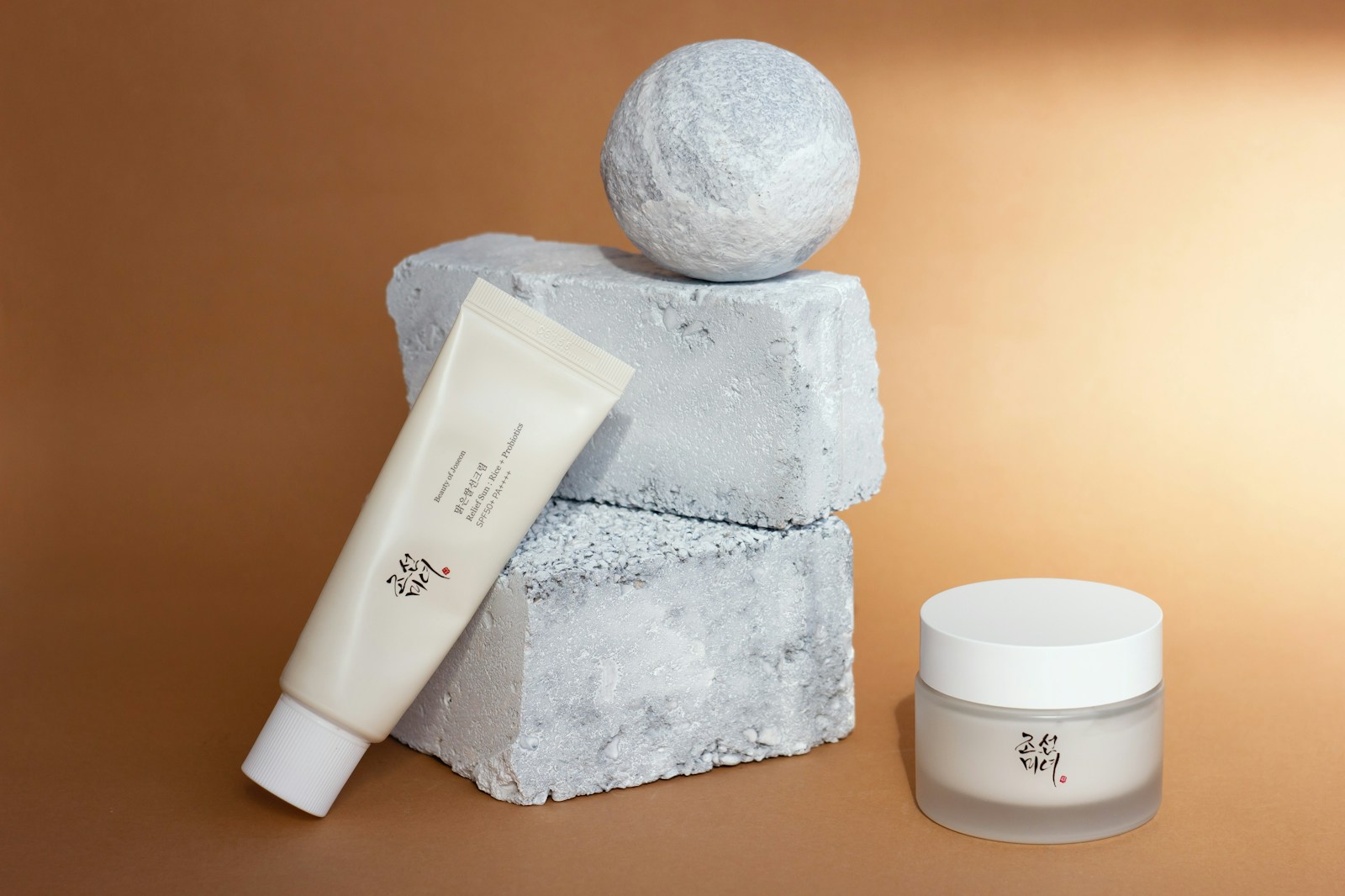
Bemotrizinol — better known as Tinosorb S or Parsol Shield — is now FDA approved as a UV-filtering active ingredient in the United States. It’s already a cornerstone of beloved K-Beauty sun-care products like Beauty of Joseon’s cult sunscreen lineup, and European formulas have used it for years. This approval is a genuinely big deal for anyone who’s ever complained that American sunscreens feel like spackling paste on their face.
The US has approved only two new sunscreen active ingredients in the last 25+ years. Most of the world has been using superior UV filters for decades — and your skin has been paying the price in thick, greasy SPF formulas you’d rather skip than wear.
What Is Bemotrizinol (Tinosorb S) — and Why Has K-Beauty Loved It for Years?
Bemotrizinol is a broad-spectrum UV filter, meaning it blocks both UVA and UVB rays in a single molecule. That’s not as common as it sounds. Many older UV filters are narrow — they hit UVB well (the burning rays) but leave UVA coverage (the aging, deeper-penetrating rays) patchy unless you layer multiple actives.
Tinosorb S is an oil-soluble filter that works via a combination of absorption and reflection. It’s photostable — it doesn’t degrade in sunlight the way some older filters like avobenzone notoriously do — and it plays nicely with other UV actives, actually stabilizing them in a formula. That’s why formulators love it. It makes the whole system work better.
Korean sunscreen brands figured this out early. Formulas using Tinosorb S alongside other next-gen filters like Tinosorb M (bemotrizinol’s cousin) or Uvinul A Plus (diethylamino hydroxybenzoyl hexyl benzoate) can achieve serious broad-spectrum protection at a fraction of the texture weight of older US-approved combinations. That’s the secret behind why a Korean SPF50+ PA++++ can feel like a moisturizer while an American equivalent feels like sunblock from a 1994 beach day.
“The FDA’s approval of bemotrizinol isn’t just a regulatory checkbox — it’s the first real step toward American sunscreens catching up with the rest of the world in both efficacy and wearability.”
Why the FDA Took So Long — and What the Approval Actually Means
This is where it gets a little maddening. The FDA classifies sunscreen as an over-the-counter drug in the US (not a cosmetic, like most of the world does), which means every new active ingredient has to go through a rigorous safety and efficacy review. That process is slow, expensive, and historically underfunded.
The Sunscreen Innovation Act of 2014 was supposed to speed things up, but the reality? It mostly created more paperwork. Eight new sunscreen ingredients had been waiting in the FDA queue for years. Bemotrizinol is one of the first to actually cross the finish line, and its approval was backed by a substantial body of international safety data — this ingredient has been used in European and Asian markets for over two decades without red flags.
What the approval means practically: US-based brands can now legally include bemotrizinol as an active in sunscreen products sold in America. It won’t happen overnight — reformulation takes time — but expect to start seeing it in ingredient lists within the next 12—24 months, especially from brands that already operate in international markets.
💡 Pro tip: You don’t have to wait for US brands to catch up. Sunscreens formulated and sold for international markets (including K-Beauty SPFs) are legal to import and use personally. If you’ve been curious about Beauty of Joseon’s Relief Sun or a similar Korean SPF, now is a perfectly reasonable time to try one — you’ll see bemotrizinol right there in the active ingredients.

Bemotrizinol vs. The Old Guard: How UV Filters Actually Stack Up
Let’s be real — not all UV filters are equal, and the differences matter more than most people think. Here’s how bemotrizinol compares to some of the filters you’ve probably already got on your bathroom shelf:
| UV Filter | UVA Coverage | UVB Coverage | Photostable? | Texture Impact | White Cast Risk |
|---|---|---|---|---|---|
| Bemotrizinol (Tinosorb S) | ✅ Excellent | ✅ Strong | ✅ Yes | Lightweight | Low |
| Avobenzone | ✅ Good | ❌ Minimal | ❌ No — degrades in sunlight | Moderate | Low |
| Zinc Oxide (mineral) | ✅ Good | ✅ Good | ✅ Yes | Heavy | High |
| Octinoxate | ❌ Poor | ✅ Strong | ⚠️ Moderate | Light | None |
| Octocrylene | ❌ Poor | ✅ Strong | ✅ Stabilizes others | Moderate | None |
The takeaway? Bemotrizinol covers the full UVA+UVB spectrum without the photostability nightmare of avobenzone, and without the heavy, chalky texture of mineral-only formulas. For everyday wear — especially on the face — that combination is genuinely hard to beat.
K-Beauty Sunscreens Already Using Bemotrizinol: What to Know Before You Buy
I’ll be honest: I spent about three months obsessively testing Korean SPF formulas before I fully understood why they felt so different from anything I’d bought at a US drugstore. The texture was the first thing reviewers noticed — no greasiness, no pill-up under makeup, no 45-minute wait before my face stopped looking shiny. Then I started reading ingredient lists and kept seeing the same actives: bemotrizinol, alongside newer filters the FDA hadn’t yet touched. It clicked.
Here are the types of products where you’ll find bemotrizinol doing its best work:
1. Lightweight Serum-Texture Sunscreens
These are the K-Beauty formula style that converted so many American skincare fans. Thin enough to feel like a serum, SPF50+ with PA++++ UVA rating, and they layer under makeup without pilling. Bemotrizinol is typically combined with one or two other chemical filters to hit both UVA and UVB targets efficiently. Great for: oily, combination, and normal skin types. If you have very dry skin, look for versions with added humectants like hyaluronic acid or glycerin.
2. Tinted SPF Moisturizers with K-Beauty Filters
The tinted SPF category is exploding right now, and the best ones use filter cocktails that include bemotrizinol for broad-spectrum coverage without leaning on heavy zinc oxide (which causes the grayish cast in many tinted mineral SPFs). These work particularly well on medium to deeper skin tones that have always struggled with white-cast mineral sunscreens.
3. Sunscreen Sticks for Reapplication
Reapplication is where most people’s sun protection completely falls apart. (We all know we’re supposed to reapply every two hours — almost nobody actually does it.) Sunscreen sticks formulated with bemotrizinol-based filter systems give you a quick, no-mess reapply option that won’t trash your makeup. Look for sticks with a PA++++ rating to confirm strong UVA coverage.
💡 Pro tip: When shopping K-Beauty SPFs, look for the PA++++ rating on the label — this is the Japanese/Korean UVA rating system, and ++++ is the highest tier. A product with SPF50+ PA++++ gives you both strong UVB and UVA protection, which is what you actually need to prevent both burning and premature aging.
4. Hybrid SPF Moisturizers
Some of the most practical daily-use sunscreens combine a solid moisturizing base with a bemotrizinol-powered filter system. These are ideal if you’re trying to streamline your morning routine — think ceramides or peptides plus SPF50 in one step. Good pick for normal-to-dry skin that finds straight sunscreen formulas a bit too thin.
5. Aqua-Gel Sunscreens
The water-gel texture — almost bouncy, crystal-clear, zero residue — is a K-Beauty SPF signature. These tend to use a high percentage of water alongside oil-soluble filters like bemotrizinol. They’re refreshing enough to wear in humid climates or during workouts, and they genuinely disappear on application. Acne-prone and sensitive skin types often find these the most tolerable daily SPF option.

Common Mistakes People Make When Switching to New-Gen Sunscreens
The enthusiasm for K-Beauty SPFs is real and mostly warranted — but there are a few traps worth avoiding:
⚠️ Watch out: Don’t assume a lower SPF number with better filters beats a higher SPF with older ones in all situations. SPF is a lab-tested measure of UVB protection, and that number still matters. An SPF30 with bemotrizinol offers less UVB protection than an SPF50 with the same filter — always choose SPF30 minimum for daily use, SPF50 if you’re outdoors for extended periods.
- Using too little product. The SPF rating on a bottle is tested at 2mg per cm² of skin — roughly a quarter teaspoon for just your face. Most people apply less than half that. If you’re under-applying, your SPF50 is functionally performing more like an SPF15.
- Layering actives that destabilize chemical filters. Strong vitamin C serums (L-ascorbic acid, pH around 3.0—3.5) applied immediately before a chemical sunscreen can theoretically affect the formula’s stability. Apply vitamin C, wait a minute or two, then follow with sunscreen for best results.
- Expecting instant skin improvement from SPF alone. Sunscreen prevents future damage — it doesn’t reverse existing hyperpigmentation, texture, or fine lines on its own. Pair it with a retinoid at night or a niacinamide serum in the morning to actually target those concerns.
- Forgetting the neck and hands. The most sun-damaged skin on most people over 40 isn’t on their face — it’s their neck, décolletage, and the backs of their hands. Extend whatever you’re applying and don’t stop at the jawline.
- Buying K-Beauty SPFs without checking import regulations. For personal use, importing sunscreens for yourself is generally fine in the US. But be cautious with large bulk orders or reselling — the FDA has specific rules about selling sunscreen products that haven’t gone through US approval processes.
Sun protection is the single most evidence-backed anti-aging intervention available without a prescription. Not retinol. Not peptides. Not the $300 serum with the pretty bottle. SPF, worn daily, applied correctly. Everything else is supporting cast.
What This Means for the Future of American Sunscreen
Here’s where I’ll get a little opinionated: the FDA approval of bemotrizinol is genuinely exciting, but let’s not pop the champagne just yet. There are still several other next-generation UV filters in the approval queue — including Tinosorb M (bisoctrizole) and Mexoryl SX (ecamsule) at wider availability — that American consumers and formulators are still waiting on.
The approval of bemotrizinol sets a precedent and clears a path. It proves the data-submission and review process can work for newer filters, which should encourage other manufacturers to push their ingredients through. If the pipeline speeds up even modestly, US sunscreens could look dramatically different — and dramatically better — within five years.
For now? You have options. K-Beauty sunscreens with bemotrizinol are accessible, well-reviewed, and backed by real-world use across multiple skin tones and climates. If your current SPF routine involves fighting with white cast, greasiness, or a formula you genuinely dread applying, this is a legitimate reason to explore something new.

Frequently Asked Questions
Q: Is bemotrizinol (Tinosorb S) safe for sensitive skin?
Yes — bemotrizinol has a strong international safety record built over more than two decades of use in European and Asian markets. It’s considered a low-irritation filter with minimal sensitization risk compared to some older chemical UV actives like oxybenzone. That said, if you have reactive or allergy-prone skin, patch test any new sunscreen on your inner arm for a few days before wearing it on your face.
Q: Can I use a K-Beauty sunscreen with bemotrizinol if I’m pregnant?
Current data doesn’t flag bemotrizinol as a pregnancy concern in the same way some other chemical filters (like oxybenzone) have been questioned. However, pregnancy skincare decisions are genuinely personal and worth discussing with your OB or midwife. Many dermatologists recommend mineral sunscreens (zinc oxide or titanium dioxide) during pregnancy simply because the safety data on mineral filters is longer and more established — not because chemical filters are proven harmful.
Q: Will US drugstore sunscreens now start using bemotrizinol in their formulas?
Not immediately — but eventually, yes. Reformulation takes time: brands need to test stability, sensory profiles, and manufacturing processes before launching updated products. Brands with existing international product lines (who may already be formulating with bemotrizinol outside the US) will likely move fastest. Expect to see it start appearing in US-sold sunscreens within the next one to two years, probably first in premium skincare lines before it filters down to mass market.
Q: What’s the difference between Tinosorb S and Tinosorb M?
Both are broad-spectrum UV filters made by BASF, but they work differently. Tinosorb S (bemotrizinol) is oil-soluble and works primarily through UV absorption. Tinosorb M (bisoctrizole) is water-dispersible and works through both absorption and physical reflection — giving it a slightly more hybrid character. Many high-performance K-Beauty and European sunscreens use both together for layered, photostable broad-spectrum coverage. As of this writing, Tinosorb M is still awaiting FDA approval in the US.
The Bottom Line
If you’ve ever envied the sunscreens your K-Beauty-obsessed friends keep importing, the FDA’s approval of bemotrizinol is real progress. It’s not the whole story — American sunscreen regulation still has a long way to go — but it’s a meaningful step toward formulas that people will actually want to wear every single day.
Because here’s the truth: the best sunscreen is the one you’ll consistently use. And for a lot of people, that has never been the thick, greasy, white-cast-heavy formulas that have dominated US shelves. Lighter, more elegant, genuinely enjoyable SPF formulas are not a luxury — they’re the reason people actually apply enough product, actually reapply, and actually protect their skin over the long term.
Start with what’s already available: explore K-Beauty SPFs that list bemotrizinol in their actives, check for SPF50+ and PA++++ on the label, and pay attention to how a formula feels on your specific skin type. Your future self — and your skin — will notice the difference.
![Best PDRN Cream Reviewed [2026 Updated]](https://i0.wp.com/yourskintellseverything.com/wp-content/uploads/2026/07/hf_20260721_035020_0dcfa11f-48a8-4714-af54-93010d23babd-scaled.png?fit=640%2C358&ssl=1)


