
K-beauty Products Boom: Why Everyone’s Obsessed in 2026

The K-beauty Boom: What's Driving the Craze?
You've likely heard the buzz: K-beauty products are booming and the industry blew past a $14.6 billion valuation by 2024. But why exactly are more women reaching for snail mucin and centella asiatica, and how can you tell which ones actually deliver?
For starters, K-beauty is all about layering lightweight formulas packed with innovative, soothing, and science-backed ingredients like niacinamide, hyaluronic acid, and propolis. If you're tired of heavy creams that clog pores or gimmicky ingredients without proof, K-beauty offers a smarter, gentler approach. Plus, the multi-step regimen—though intimidating at first—boosts both hydration and protection in ways Western single-step products struggle to match.
“K-beauty's success isn't just marketing hype — it's about an artful balance of texture, innovation, and skin-first ingredients that actually do what they say.”
By 2026, the global demand for K-beauty keeps soaring as more consumers prioritise effective, gentle skincare that targets specific concerns with natural and science-backed ingredients.
Why Does the K-beauty Boom Matter to You?
If you've been stuck with oily skin from heavy creams or redness from harsh actives, K-beauty might be your answer. The boom signals a shift toward more mindful, customizable skincare routines that work across skin types—including sensitive and acne-prone skin.
Unlike traditional Western skincare, K-beauty emphasizes skin barrier repair and prevention with soothing ingredients like ceramides, fermented extracts, and botanical antioxidants. This isn't just hype. The products are formulated to build long-term skin health and resilience, not just deliver quick fixes.
How to Navigate the K-beauty Trend Without the Overwhelm
Here's the secret: you don't need every single step. Start simple—focus on hydration and sun protection. Once your skin adapts, add targeted serums for your skin concerns like dullness, acne, or fine lines.
Popular K-beauty products include essences, ampoules, and sheet masks, which soak the skin with active ingredients without heaviness. And unlike 'just hydration' creams, these formulas pack up to 5% niacinamide or calming 10% Centella asiatica extracts to boost glow and reduce inflammation.
💡 Pro tip: Use a fragrance-free ceramide moisturizer like Dr.Jart+ Ceramidin Cream after layering hydrating essences for lasting moisture and barrier repair.
💡 Pro tip: Always patch test fermented or botanical extracts before full-face use, especially if you have sensitive skin, to avoid irritation.

Product & Ingredient Spotlight: The K-beauty Must-Haves for 2026
| Product | Key Ingredients | Skin Type | Why It Works | Price Range |
|---|---|---|---|---|
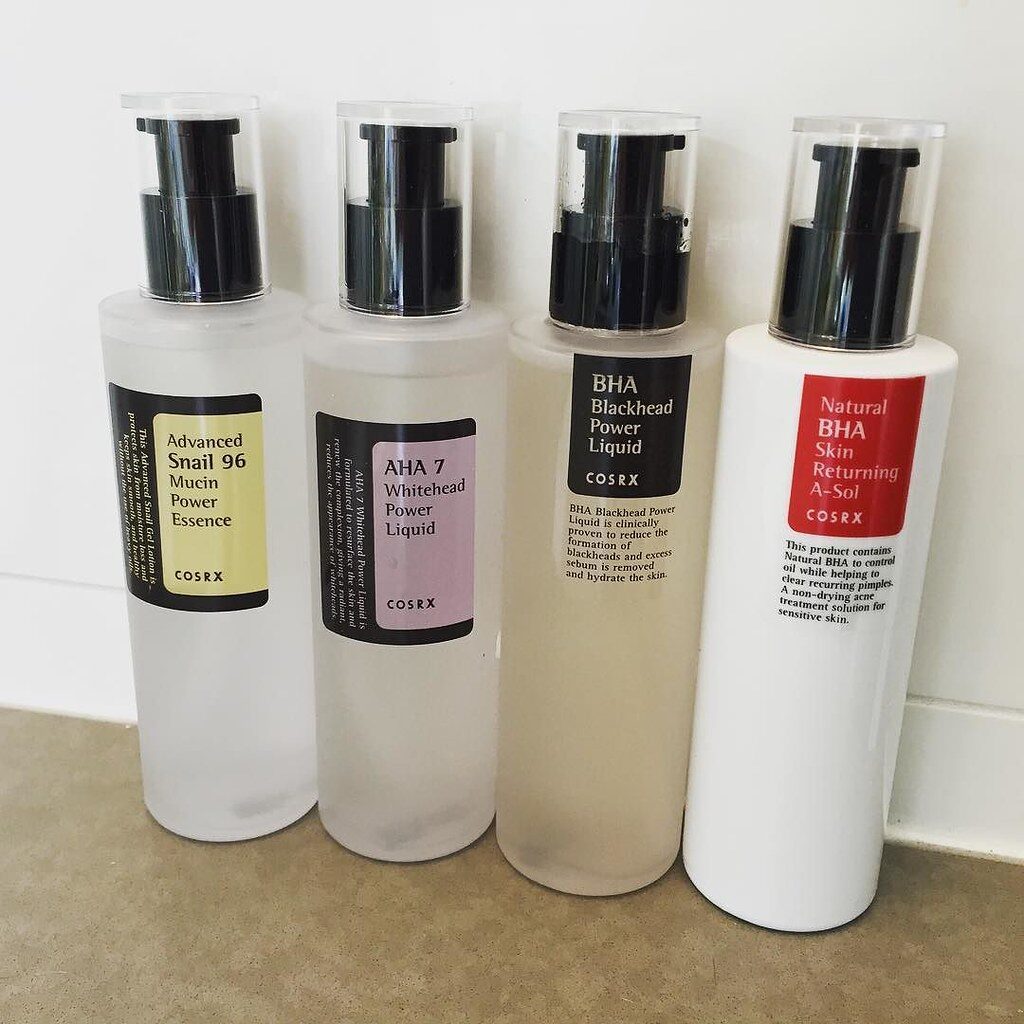
| Cosrx Advanced Snail 96 Mucin Power Essence | 96% Snail Secretion Filtrate | Dry, Combination, Sensitive | Boosts hydration, soothes redness, promotes healing | $20-25 |
| Laneige Water Bank Hydro Essence | Green Mineral Water, Hydro Ionized Mineral Water | Normal to Dry | Deeply hydrating without stickiness, strengthens skin barrier | $30-40 |
| Dr.Jart+ Cicapair Tiger Grass Color Correcting Treatment | Centella Asiatica (10%), Niacinamide | Redness-prone, Sensitive | Calms irritation, reduces redness, provides SPF protection | $40-50 |
| Innisfree Green Tea Seed Serum | Jeju Green Tea Extract, Amino Acids | Oily, Combination | Lightweight hydration, antioxidant protection | $22-28 |
| Missha Time Revolution First Treatment Essence RX | Fermented Yeast Extract (Bifida Ferment Lysate) | All skin types | Improves texture, brightens, boosts moisture retention | $35-45 |
Common Mistakes with K-beauty Products
⚠️ Watch out: Slathering on every single hydrating layer or mask can overwhelm your skin's moisture barrier and cause breakouts, especially if you have oily or acne-prone skin.
Also, not all 'natural' K-beauty formulas are fragrance-free or hypoallergenic. Don't fall for pretty packaging or influencer hype—always read ingredient lists. For instance, some green tea or floral extracts irritate sensitive skin, despite their antioxidant reputation.
Lastly, rushing through layering steps without letting each properly absorb can cause pilling and diminish effectiveness.

Frequently Asked Questions
Q: What makes K-beauty products different from Western skincare?
K-beauty focuses on layering lightweight, hydrating, and barrier-supporting products, often using innovative ingredients like snail mucin, fermented extracts, and centella asiatica. Western skincare tends to prioritize fewer, more potent treatments but sometimes lacks the gentle layering approach.
Q: Can K-beauty products help sensitive skin?
Yes, many K-beauty products are formulated with soothing ingredients and gentle textures ideal for sensitive skin. Look for formulations with centella asiatica, ceramides, and minimal fragrance. Always patch test first, though.
Q: How long does it take to see results from K-beauty products?
You can usually notice improvements in hydration and skin texture within 1-2 weeks. For deeper concerns like hyperpigmentation or fine lines, expect 4-6 weeks of consistent use for visible changes.
Final Thoughts
The boom in K-beauty products isn't just a fad—it represents a smarter, gentler approach to skincare that suits multiple skin types and needs. If you want to upgrade your routine with products that genuinely nourish and protect, start with a few targeted K-beauty staples and listen to your skin.
Honestly? Skip the gimmicks and crazy multi-step rituals. Focus on hydration, barrier repair, and ingredients backed by research. Your skin will thank you.
💡 Pro tip: Invest in a silky, hydrating essence and a solid ceramide-rich moisturizer to build a foolproof foundation for your K-beauty routine.

![Best PDRN Cream Reviewed [2026 Updated]](https://i0.wp.com/yourskintellseverything.com/wp-content/uploads/2026/07/hf_20260721_035020_0dcfa11f-48a8-4714-af54-93010d23babd-scaled.png?fit=640%2C358&ssl=1)


