
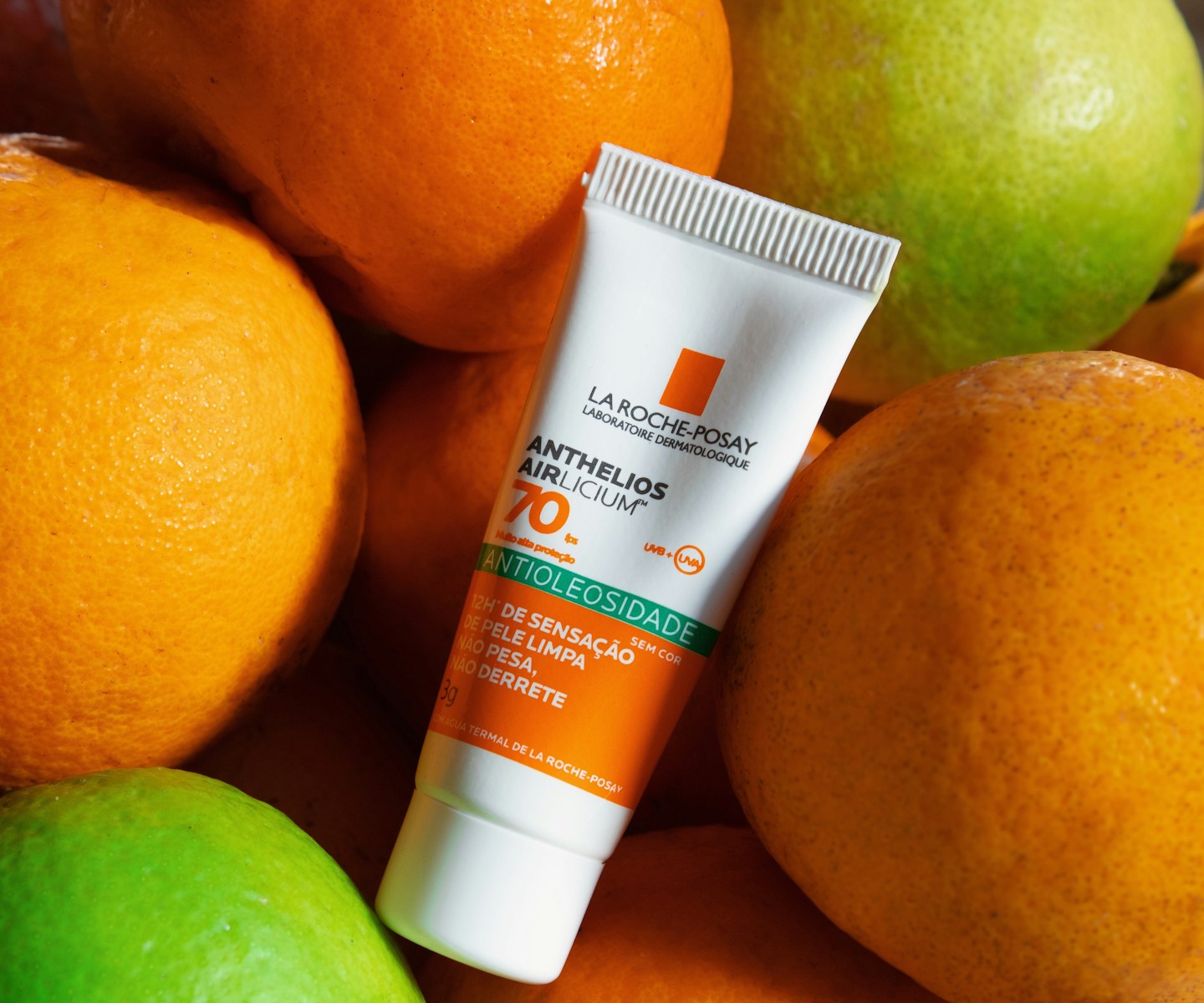
Best Sunscreens for Oily Skin to Control Shine & Protect

Why Your Sunscreen Is Making You Shine—and How to Fix It
If you've been avoiding SPF because of extra shine or clogged pores, you're not alone—and you've been doing it wrong. The truth is, with the right sunscreen, oily skin can stay matte and protected all day long without feeling heavy or sticky.
What's the Best Sunscreen for Oily Skin? Here's the Quick Answer
Look for lightweight, oil-free formulas with mineral ingredients like zinc oxide or titanium dioxide in concentrations around 10-20%. Gel-based or water-based formulas absorb quickly and provide a matte finish. Bonus points if they include mattifying ingredients like silica or niacinamide to help control shine. Avoid thick creams or alcohol-heavy products that strip skin and trigger more oil production.
Mattifying mineral sunscreens with zinc oxide around 15% help protect while keeping oily skin shine-free and comfortable through the day.
Why Choosing the Right Sunscreen for Oily Skin Matters
Sunscreen isn't optional—it's essential to prevent premature aging and skin cancer. But oily skin brings unique challenges: clogged pores, extra shine, and that heavy feeling that makes you want to scrub your face off by noon. Picking the wrong sunscreen can worsen breakouts and lead to skipping protection altogether.
On the flip side, the right sunscreen can improve your skin's balance and even texture. Ingredients like niacinamide not only help with shine but also calm inflammation and prevent post-sun irritation.

How to Choose Sunscreen for Oily Skin Like a Pro
- Opt for mineral or mineral-chemical hybrid sunscreens: Mineral ingredients (zinc oxide, titanium dioxide) are less likely to clog pores and often come in lightweight formulas.
- Look for mattifying additives: Silica, niacinamide, and hyaluronic acid can balance moisture without greasiness.
- Check for oil-free and non-comedogenic labels: These reduce the risk of breakouts and excess shine.
- Trust gel or water-based textures: These formulas absorb quickly and leave skin feeling fresh.
- Avoid heavy creams or sunscreens with added fragrance: They tend to irritate and cause more oil production.
💡 Pro tip: Apply sunscreen 15 minutes before sun exposure for maximum protection. Reapply every two hours, especially if you're sweating or swimming.
Expert Picks: Best Sunscreens for Oily Skin That Actually Work
| Product | Key Ingredients | Texture | SPF | Best For |
|---|---|---|---|---|
| La Roche-Posay Anthelios Mineral Matte SPF 50 | 10% Zinc Oxide, Silica, Niacinamide | Lightweight Matte Lotion | 50 | Oily, Acne-Prone Skin |
| EltaMD UV Clear Broad-Spectrum SPF 46 | 9% Zinc Oxide, Niacinamide, Hyaluronic Acid | Sheer Gel-Cream | 46 | Oily, Sensitive, Rosacea-Prone |
| Supergoop! Matte Screen SPF 40 | Octinoxate, Avobenzone, Silica | Velvety Gel-Cream | 40 | Combination to Oily Skin |
| Dr. Jart+ Every Sun Day Mineral SPF 50+ | 15% Zinc Oxide, Titanium Dioxide, Centella Asiatica | Matte, Lightweight Lotion | 50+ | Oily, Sensitive Skin |
| Neutrogena Clear Face Liquid Lotion SPF 55 | Avobenzone, Homosalate, Octisalate | Water-Light Liquid | 55 | Acne-Prone, Oily Skin |

Why These Ingredients Matter:
- Zinc Oxide (10—20%): Mineral UV filter, non-comedogenic, anti-inflammatory.
- Niacinamide (2—5%): Controls sebum, calms skin, reduces pore size.
- Silica: Absorbs excess oil and sweat, provides a matte finish.
- Hyaluronic Acid: Hydrates without heaviness, balances moisture.
- Octinoxate & Avobenzone: Chemical filters that offer broad-spectrum coverage but should be balanced in formula to avoid irritation.
⚠️ Watch out: Avoid sunscreens containing heavy oils, alcohol denat, or excessive fragrance, which can trigger breakouts or make oily skin produce even more oil.
Common Mistakes Oily Skin Types Make With Sunscreen
- Using thick cream sunscreens: Feels suffocating and increases oiliness.
- Skipping reapplication: Sunscreen breaks down fast with sweat and oil, so protection fades quickly.
- Neglecting primer or mattifying powders: The right base helps control shine under sunscreen.
- Over-exfoliating before sun exposure: Thins the skin barrier, making it more reactive and oily.
- Mixing incompatible products: Layering heavy moisturizers on top of sunscreen can defeat a matte effect.
💡 Pro tip: Press a translucent mattifying powder over sunscreen if you need extra shine control throughout the day. Avoid rubbing—it removes SPF.

Frequently Asked Questions
Q: Can sunscreen cause more oiliness or breakouts on oily skin?
It can if you pick the wrong formula. Heavy, greasy sunscreens or those with pore-clogging ingredients can make oily skin worse. Always choose non-comedogenic, oil-free, and mattifying sunscreens to avoid this problem.
Q: How often should I reapply sunscreen if I have oily skin?
Reapply every two hours, or immediately after sweating or swimming. Even the best formulas can break down faster on oily skin due to excess sebum and sweat.
Q: Are mineral sunscreens better than chemical sunscreens for oily skin?
Mineral sunscreens with zinc oxide or titanium dioxide tend to be gentler and less comedogenic, which makes them a better choice for oily and acne-prone skin. However, some chemical filters, when formulated well, can also work fine.
Your Matte Glow Awaits—Start with the Right Sunscreen
Oily skin doesn't have to be a sunscreen nightmare. With the right lightweight, mattifying formula packed with proven ingredients like zinc oxide, niacinamide, and silica, you can protect your skin without the grease. Pick your favorite from the expert list above, layer mindfully, and watch your skin shine with health—not oil.


![Best PDRN Cream Reviewed [2026 Updated]](https://i0.wp.com/yourskintellseverything.com/wp-content/uploads/2026/07/hf_20260721_035020_0dcfa11f-48a8-4714-af54-93010d23babd-scaled.png?fit=640%2C358&ssl=1)


